Far East Square is often treated like a transit zone. People walk through it with purpose, not curiosity. Meetings to attend, deadlines to chase, lunch to grab quickly. But if you shift your lens, this place operates differently. It’s not just a business district. It’s a layered ecosystem where history is not archived, but embedded in everyday movement. We’ve walked this area more times than we can count. And every time we slow down, something new surfaces. Not because the buildings change, but because the way you experience them evolves. That’s the real differentiator of exploring heritage sites in Far East Square. It’s not about ticking locations off a list. It’s about decoding a district that quietly carries centuries of movement, belief, and trade.
Why Far East Square Feels Different From Other Heritage Areas
Most heritage zones feel curated. Clean, organized, almost too perfect. Far East Square takes a different approach. It integrates history into function. Offices sit next to temples. Cafes operate inside structures built for trade generations ago. Streets that once faced the sea now host foot traffic rushing between meetings. This creates a unique dynamic. You are not observing history from a distance. You are moving through it. That’s why this area works for both tourists and office workers. It doesn’t demand extra time. It fits into your existing routine.
7 Heritage Sites in Far East Square You Must Visit
1. Telok Ayer Street
Telok Ayer Street is not just a road. It’s a timeline. Before land reclamation reshaped Singapore, this was the original coastline. Ships would arrive here, bringing people, goods, and ideas that would define the city’s future. Walking along this street today feels almost contradictory. You’re surrounded by modern infrastructure, yet standing on what used to be the edge of the sea. That contrast is what makes it powerful. It’s a reminder that cities don’t just grow upward, they expand forward, often leaving invisible layers behind.
2. Thian Hock Keng Temple
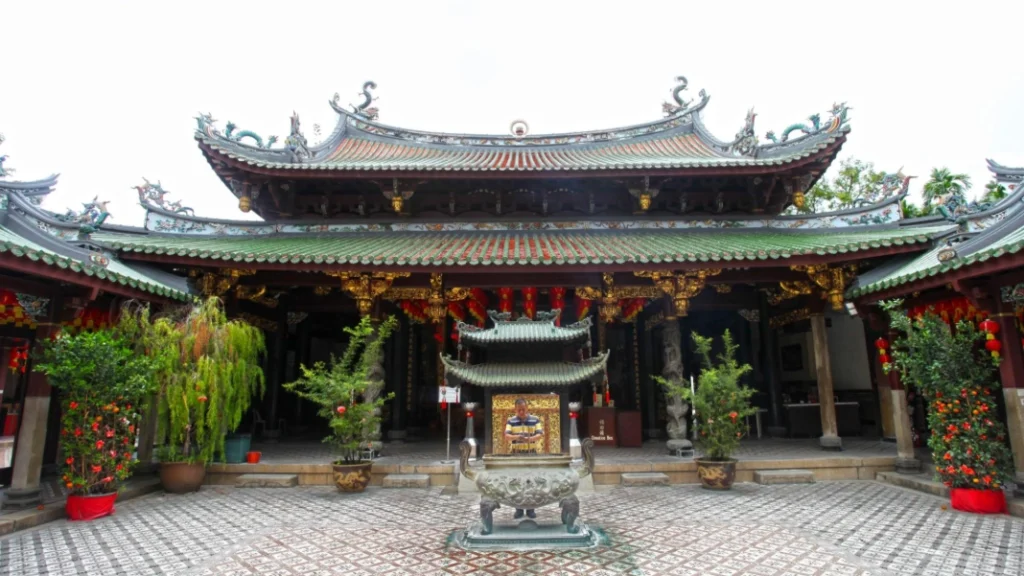
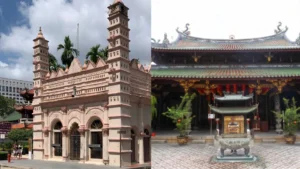
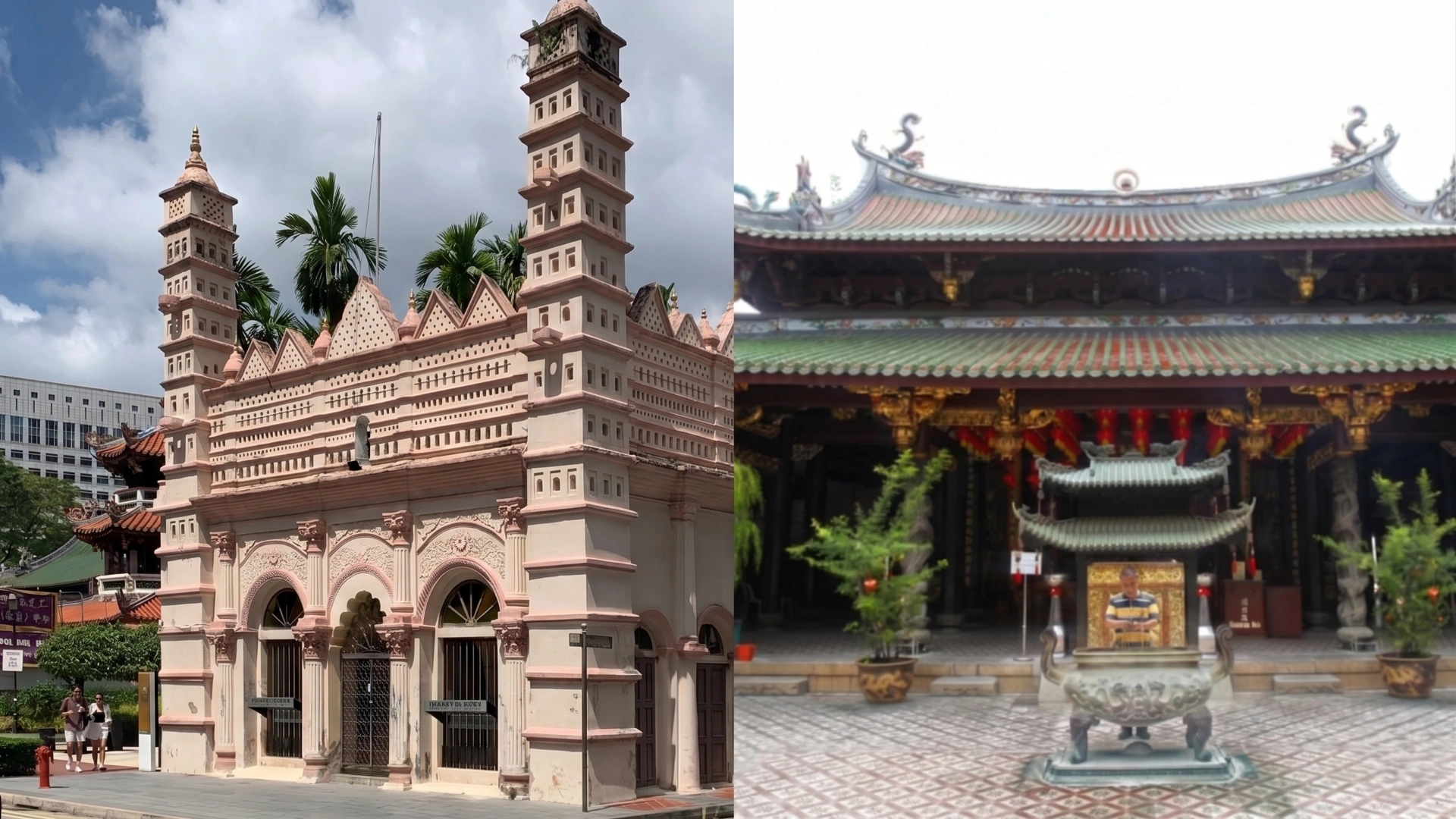
This temple doesn’t try to compete with modern architecture. It doesn’t need to. Built without nails, structured with precision, and preserved with intention, it represents resilience rather than reinvention. What makes this place unique is not just its age, but its purpose. It was a point of gratitude. Early Chinese immigrants would come here to give thanks after surviving long sea journeys. That emotional context still lingers. You don’t just see the temple, you feel the weight of the journeys that led people here.
3. Fuk Tak Chi Museum
At first glance, it feels small. Almost easy to overlook. But that’s exactly why it stands out. Fuk Tak Chi Museum represents something many larger institutions fail to capture, intimacy. This used to be a temple for the Chinese community. Now, it functions as a museum that preserves the early identity of the area. Instead of overwhelming you with scale, it draws you in with detail. Every artifact, every story feels personal. It’s less about history as a concept, and more about history as lived experience.
4. Nagore Dargah Shrine
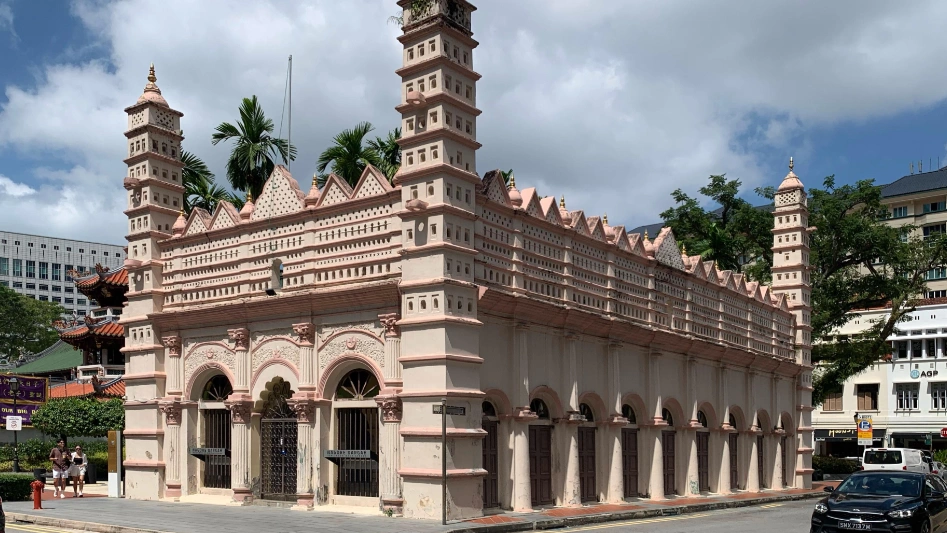
This structure immediately breaks visual expectations. Its design stands apart, signaling a different cultural origin. And that’s exactly the point. Nagore Dargah Shrine reflects the presence of the Indian Muslim community in early Singapore. But beyond representation, it symbolizes coexistence. Within a compact area, you see influences from Chinese, Malay, and Indian cultures not competing, but aligning. That’s the strategic value of this location. It’s not just diverse. It’s integrated.
Read also : Telok Ayer Food Singapore: 7 Most Viral Foods You Must Try
5. Far East Square Shophouses
If there’s one visual identity that defines Far East Square, it’s the shophouses. These buildings were designed for efficiency long before the term became a business buzzword. Trade below, living space above. Simple, functional, effective. Today, they’ve been repositioned. Restaurants, cafes, offices. But the structure remains. And that’s where the uniqueness lies. Instead of replacing the old with the new, the area upgrades function while preserving form. From a strategic standpoint, this is adaptive reuse done right. From a visitor’s perspective, it’s visually compelling and culturally grounded.
6. Amoy Street
Amoy Street works like a transition zone. It connects the structured pace of the CBD with the slower rhythm of heritage exploration. What makes it interesting is not a single landmark, but the collective atmosphere. You notice the spacing between buildings, the texture of the walls, the way businesses adapt to historical constraints. It’s subtle, but intentional. For anyone who appreciates detail over spectacle, this street delivers.
7. Al-Abrar Mosque
Al-Abrar Mosque doesn’t rely on scale or ornamentation to stand out. Its strength is in its continuity. It has served the Muslim community in this area for decades, quietly maintaining its role while everything around it evolves. In a district defined by change, consistency becomes a unique asset. This mosque represents stability. A fixed point in a constantly shifting environment.
The Real Experience: Movement, Not Just Locations
Here’s the thing most guides won’t tell you. The value of exploring heritage sites in Far East Square is not in the individual stops. It’s in the transitions between them. The walk from one site to another is where the narrative connects. You start noticing patterns. Cultural overlaps. Architectural decisions. Spatial limitations that shaped how people lived and worked. This is not a checklist experience. It’s a continuous flow.
Closing the Loop with a Strategic Food Stop
After walking through multiple sites, one operational need always comes up energy recovery. But not just any stop. It has to be efficient, reliable, and aligned with the flow of your route. That’s where Ryokudo fits in seamlessly. From a location standpoint, it eliminates friction. You don’t need to exit the area or disrupt your exploration. From a menu perspective, it’s straightforward. Donburi that delivers warmth and satisfaction, paired with matcha that resets your pace. For office workers, this is a high-efficiency break. For tourists, it’s a low-effort decision with consistent output. No trial and error, no unnecessary detours.
Far East Square operates differently when you stop treating it like a shortcut and start treating it like a destination. The heritage sites here are not isolated attractions. They are part of a system that has evolved without losing its foundation. If you approach it with the right mindset, this area offers more than visual appeal. It gives context. It shows how a city builds, adapts, and sustains identity over time. And the best part, you don’t need a full day to experience it. Just a shift in how you move, observe, and decide where to stop next.